Oxidation is a chemical reaction in which an atom loses one or more electrons to oxygen atoms. Oxidation causes changes to the properties and appearance of substances.
Types of oxydation:
Rusting: When iron is exposed to oxygen in the air, its electrons are lost. Rusting can cause problems in vehicles. To prevent this, vehicles are painted.
Oxidation in fruit: When the fruit is exposed to the air, its electrons are lost. When this happens, a chemical change takes place, and the part of the fruit that has oxidised is no longer good to eat.
Fermentation: is a chemical reaction in which an organism such as yeast or bacteria, changes sugar and carbohydrates into alcohol or an acid.
Thursday, 3 March 2016

Tuesday, 1 March 2016
WHAT ARE CHEMICAL CHANGES?
Chemical changes occur when one or more substances combine to form a new substance. A chemical change is non-reversible.
The process in which two or more substances combine chemically is called a chemical reaction.
Some chemical reactions produce thermal energy; these are called exothermic reactions.
Other reactions absorb thermal energy; these are called endothermic reactions.
Combustion, or burning, is the name for a chemical reaction in which oxygen combines with a fuel, such as wood, coal or natural gas. It is an exothermic reaction.
We use combustion in various ways:
 |
| Image from sjesci |
Some chemical reactions produce thermal energy; these are called exothermic reactions.
Other reactions absorb thermal energy; these are called endothermic reactions.
Combustion, or burning, is the name for a chemical reaction in which oxygen combines with a fuel, such as wood, coal or natural gas. It is an exothermic reaction.
We use combustion in various ways:
- Petrol and diesel are burnt to power vehicles and to heat homes.
- Coal is burnt in power stations to generate electricity.
- We burn natural gas to cook and heat our homes.
- Most fuels produce carbon dioxide during combustion. Carbon dioxide contributes to global warming.
- Burning coal, petrol or diesel produce particles that pollute the air.
- Burning coal and diesel can produce an acid called sulphur dioxide. If sulphur dioxide mixes with rainwater, it produces acid rain.
Monday, 29 February 2016
HOW ARE MIXTURES SEPARATED?
Mixtures can be separated into their original components (because the components haven't been chemically combined). Several techniques can be used to separate mixtures: for example, filtration, distillation, evaporation or dissolution.
Filtration: This technique can be used to separate an insoluble solid from a mixture.
Evaporation: This technique can be used to separate a soluble solid from a solution.
Distillation: This technique can be used to separate a liquid from a solution or to separate two liquids.
Dissolution: This technique can be used to separate a soluble solid from an insoluble one.
Filtration: This technique can be used to separate an insoluble solid from a mixture.
 |
| Picture via eschooltoday |
Evaporation: This technique can be used to separate a soluble solid from a solution.
 |
| Photo via bbc.co.uk |
 |
| Photo via bbc.co.uk |
 |
| Photo via bbc.co.uk |
Distillation: This technique can be used to separate a liquid from a solution or to separate two liquids.
Dissolution: This technique can be used to separate a soluble solid from an insoluble one.
Saturday, 27 February 2016
WHAT'S A MIXTURE?
A mixture is a substance made up of two or more types of matter that aren't chemically combined.
There are two types of mixtures:
Homogeneous mixtures: It is a mixture that has a consistent color and texture. Every part of an homogeneous mixture has the same properties.
Heterogeneous mixture: It is a mixture that has a varied color or texture. Each substance in the mixture retains its specific properties.
A solution is a mixture of one or more liquids, with one or more other substances. In a solution, the substances are dissolved in the liquid.
The liquid components of a solution are called solvents. The other components are called solutes.
There are two types of mixtures:
Homogeneous mixtures: It is a mixture that has a consistent color and texture. Every part of an homogeneous mixture has the same properties.
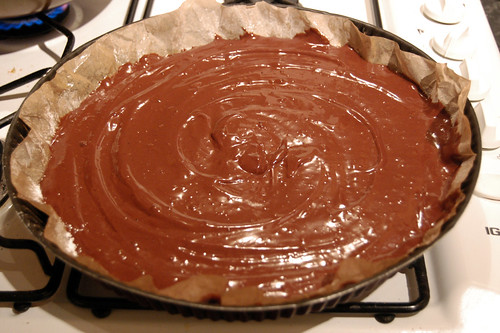 |
| Homogeneous mixture Fondant au Chocolat. Photo by Ly. H via flickr |
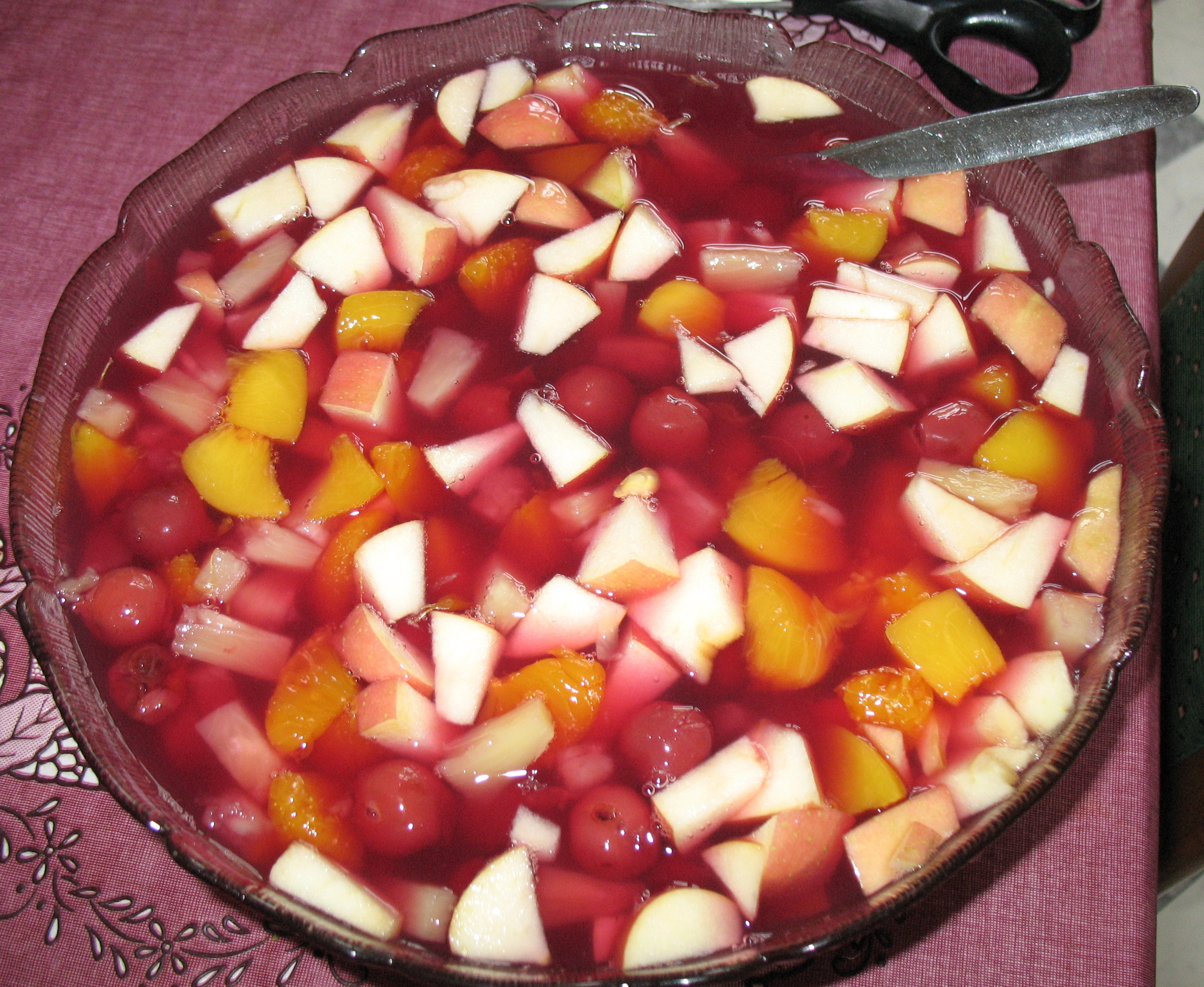 |
| Fruit Salad. Photo by: I, Bangin [GFDL (http://www.gnu.org/copyleft/fdl.html), CC-BY-SA-3.0 (http://creativecommons.org/licenses/by-sa/3.0/) or CC BY 2.5 (http://creativecommons.org/licenses/by/2.5)], via Wikimedia Commons |
The liquid components of a solution are called solvents. The other components are called solutes.
 | |
| Making a saline water solution by dissolving table salt in water. The salt is the solute and the water the solvent. Photo by Chris 73 / Wikimedia Commons [GFDL 1.3 (www.gnu.org/licenses/fdl-1.3.html) or CC BY-SA 3.0 (http://creativecommons.org/licenses/by-sa/3.0)], via Wikimedia Commons |
Tuesday, 23 February 2016
WHAT ARE THE BASIC LAWS OF REFLECTION?
Light is a form of energy that travels in waves.
Matter that is in a gaseous state is usually transparent: it doesn't reflect light.
Matter that is liquid usually has a smooth reflective surface.
Solid matter usually has a rougher surface than liquid, so it reflects light but they don't produce a reflection.
REFLECTION AND DIFFUSION:
When light hits a smooth surface, it's reflected regularly.
When light hits a rough surface, it's reflected irregularly. This is called diffusion.
ELECTRICITY:
All matter is made up of atoms. Each atom consists of protons, neutrons and one or more electrons.
When atoms lose electrons, matter becomes positively charged.
When atoms gain electrons, matter becomes negatively charged.
Matter that is in a gaseous state is usually transparent: it doesn't reflect light.
Matter that is liquid usually has a smooth reflective surface.
Solid matter usually has a rougher surface than liquid, so it reflects light but they don't produce a reflection.
REFLECTION AND DIFFUSION:
When light hits a smooth surface, it's reflected regularly.
 |
| Image from https://www.orcagrowfilm.com/Articles.asp?ID=148 |
 |
| Image from https://www.orcagrowfilm.com/Articles.asp?ID=148 |
ELECTRICITY:
All matter is made up of atoms. Each atom consists of protons, neutrons and one or more electrons.

When atoms lose electrons, matter becomes positively charged.
When atoms gain electrons, matter becomes negatively charged.
Monday, 22 February 2016
HOW HAVE ART AND CULTURE DEVELOPED IN SPAIN IN THE 20TH CENTURY?
Spain has produced some of the most famous artists of this period.
Cubism and Surrealism were artistic movements that developed in the first half of the 20th century.
Cubism used geometric shapes to represent people and things.
Pablo Picasso was one of the inventors of Cubism. His painting Guernica is a good example.
Surrealism represented imaginary scenes and fantasies. Salvador Dalí (The persistence of memory)
and Joan Miró (Harlequin's carnival)
were important Surrealist artists.
Abstract art developed in the second half of the 20th century. It represented ideas rather than reality.
Eduardo Chillida was an important abstract sculptor (Eulogy to the Horizon).
The Generation of '27 was a group of poets who experimented with new styles of poetry and artistic expression.
The group included Miguel Hernandez and Federico García Lorca. The Civil War split the group: García Lorca was killed by the Nationalists and Miguel Hernández died in prison.
Cubism and Surrealism were artistic movements that developed in the first half of the 20th century.
Cubism used geometric shapes to represent people and things.
Pablo Picasso was one of the inventors of Cubism. His painting Guernica is a good example.
.jpg) |
| Picasso. By Revista Vea y Lea (cuadrado por Juan Pablo Arancibia Medina) [Public domain], via Wikimedia Commons |
 |
| Guernica. Photo by jmussuto, via Bethany Lutheran College. |
Surrealism represented imaginary scenes and fantasies. Salvador Dalí (The persistence of memory)
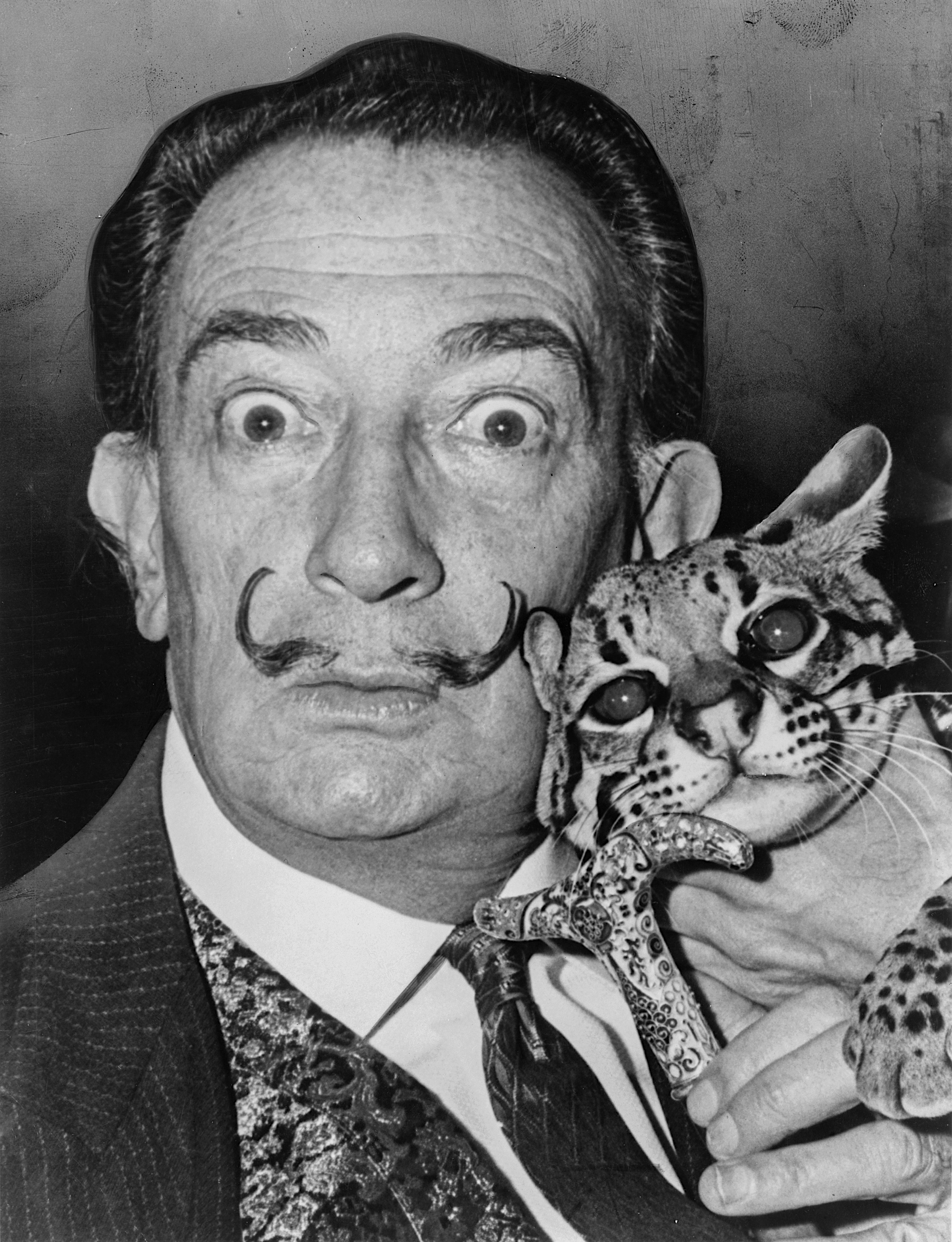 |
| Salvador Dalí. By Roger Higgins, World Telegram staff photographer [Public domain], via Wikimedia Commons |
 |
| The persistence of memory. Via Wikipedia |
 |
| Joan Miró (1935). Photo by Carl Van Vechten [Public domain], via Wikimedia Commons |
 |
| The Harlequin's Carnival. Photo from Wikipedia. |
Abstract art developed in the second half of the 20th century. It represented ideas rather than reality.
Eduardo Chillida was an important abstract sculptor (Eulogy to the Horizon).
 |
| Eduardo Chillida. Photo from Wikipedia. |
 |
| By Roberto Sueiras Revuelta. (Own work) [GFDL (http://www.gnu.org/copyleft/fdl.html), CC-BY-SA-3.0 (http://creativecommons.org/licenses/by-sa/3.0/) or CC BY-SA 2.5-2.0-1.0 (http://creativecommons.org/licenses/by-sa/2.5-2.0-1.0)], via Wikimedia Commons |
 |
| The Generation of '27. Photo from https://kbenglishhlg.wikispaces.com/Generation+27 |
.jpg) |
| Federico García Lorca. See page for author [Public domain], via Wikimedia Commons |
 |
| Miguel Hernández. See page for author [Public domain], via Wikimedia Commons |
Thursday, 18 February 2016
WHAT HAS HAPPENED IN SPAIN SINCE 1975?
Today, Spain is a democracy. Every four years there are elections to choose the government.
After Juan Carlos became king in 1975, the transition to democracy began. It ended in 1978 with a new constitution. Important reforms were introduced by the prime minister, Adolfo Suarez.
In 1978 people voted in favor of the constitution in a referendum. It established that:
Citizens have rights and responsibilities. Everyone must obey the law.
Citizens vote for their representatives freely in elections.
Spain recognises regional autonomy.
Spain is a parliamentary monarchy. The monarch is head of state but doesn´t govern or make laws.
Government is separated into three branches: the legislative, executive and judicial branches.
Since the transition two parties have governed Spain most of the time: the Socialist party (PSOE) and the Popular party (PP).
In 1981 there was an attemp military coup against the government led by Tejero. It failled.
In 1986 Spain became a member of the EEC (now UE).
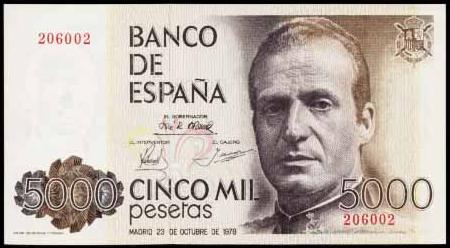
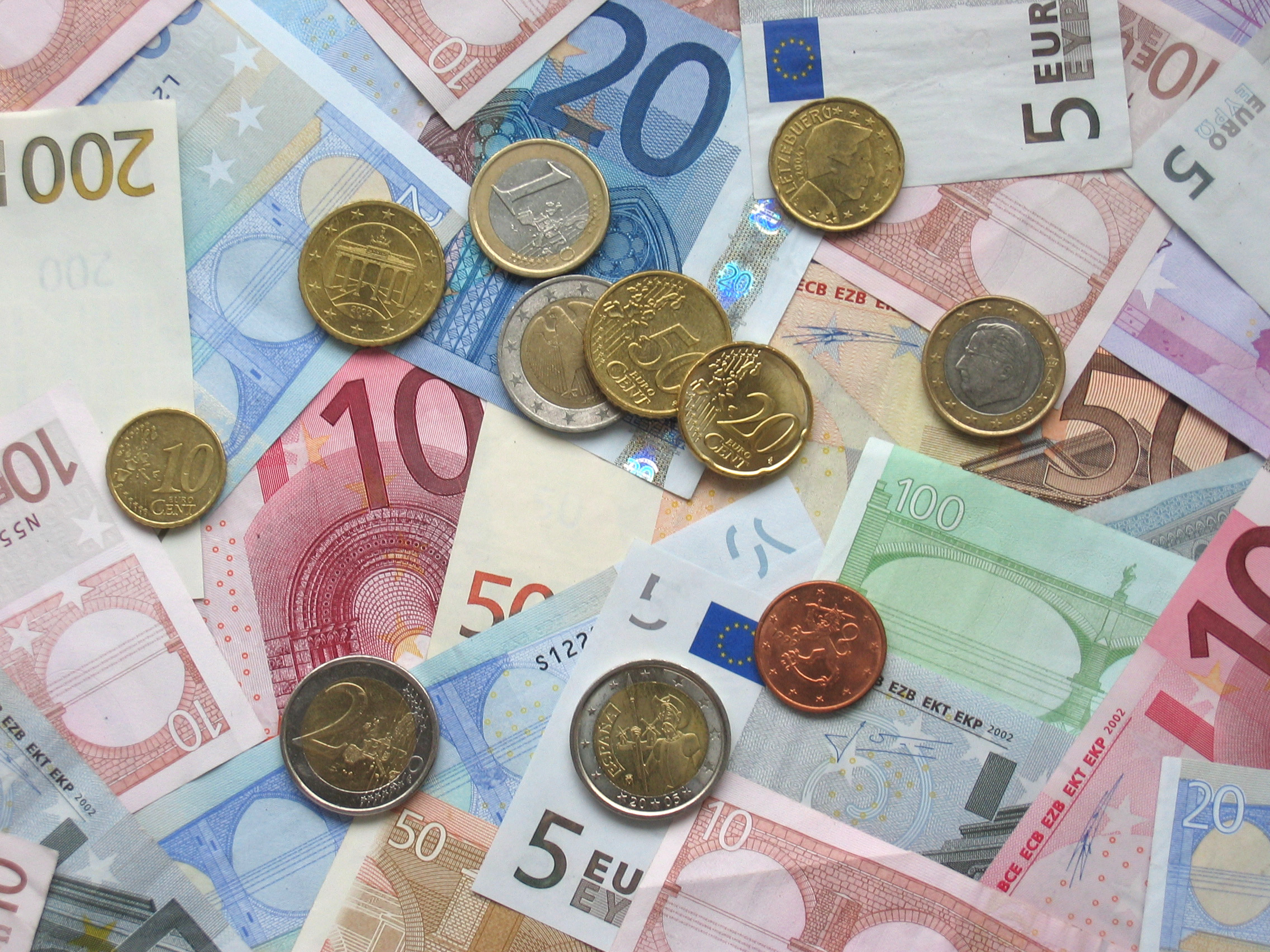
In 1992 the euro replaced the peseta as Spain´s currency.
After Juan Carlos became king in 1975, the transition to democracy began. It ended in 1978 with a new constitution. Important reforms were introduced by the prime minister, Adolfo Suarez.
.jpg) |
| By Verhoeff, Bert / Anefo (Nationaal Archief) [CC BY-SA 3.0 nl (http://creativecommons.org/licenses/by-sa/3.0/nl/deed.en)], via Wikimedia Commons |
- All political parties were made legal.
- there was a democratic election in 1977.
- A new costitution was written.
 |
| By Infinauta (Own work) [Public domain], via Wikimedia Commons |
Citizens have rights and responsibilities. Everyone must obey the law.
Citizens vote for their representatives freely in elections.
Spain recognises regional autonomy.
Spain is a parliamentary monarchy. The monarch is head of state but doesn´t govern or make laws.
Government is separated into three branches: the legislative, executive and judicial branches.
Since the transition two parties have governed Spain most of the time: the Socialist party (PSOE) and the Popular party (PP).
In 1981 there was an attemp military coup against the government led by Tejero. It failled.
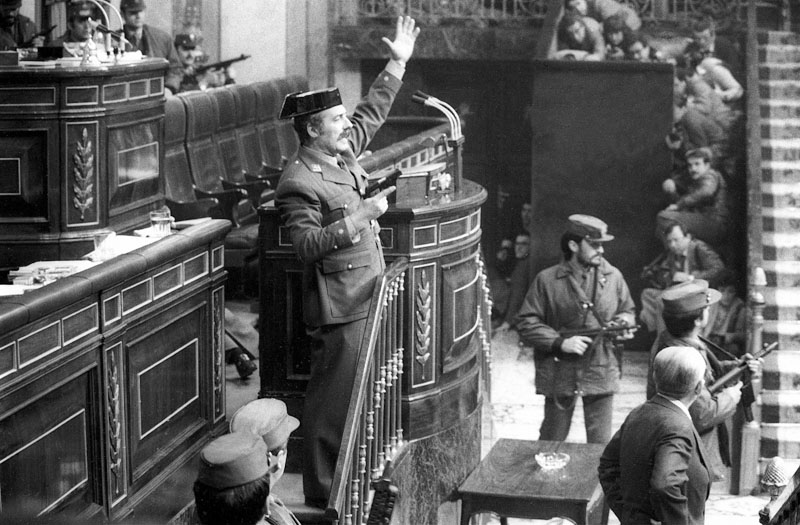 |
| Tejero. Photo by Manuel Pérez Barriopedro |
 |
| By MPD01605 [CC BY-SA 2.0 (http://creativecommons.org/licenses/by-sa/2.0)], via Wikimedia Commons |
 |
| By Iu96 (Own work) [GFDL (http://www.gnu.org/copyleft/fdl.html) or CC BY 3.0 (http://creativecommons.org/licenses/by/3.0)], via Wikimedia Commons |
 |
| By Avij (talk · contribs) (Own work) [ECB decisions ECB/2003/4 and ECB/2003/5 or Public domain], via Wikimedia Commons</a> |
Subscribe to:
Posts (Atom)