Wednesday, 13 April 2016

WHAT'S A BAR MAGNET?

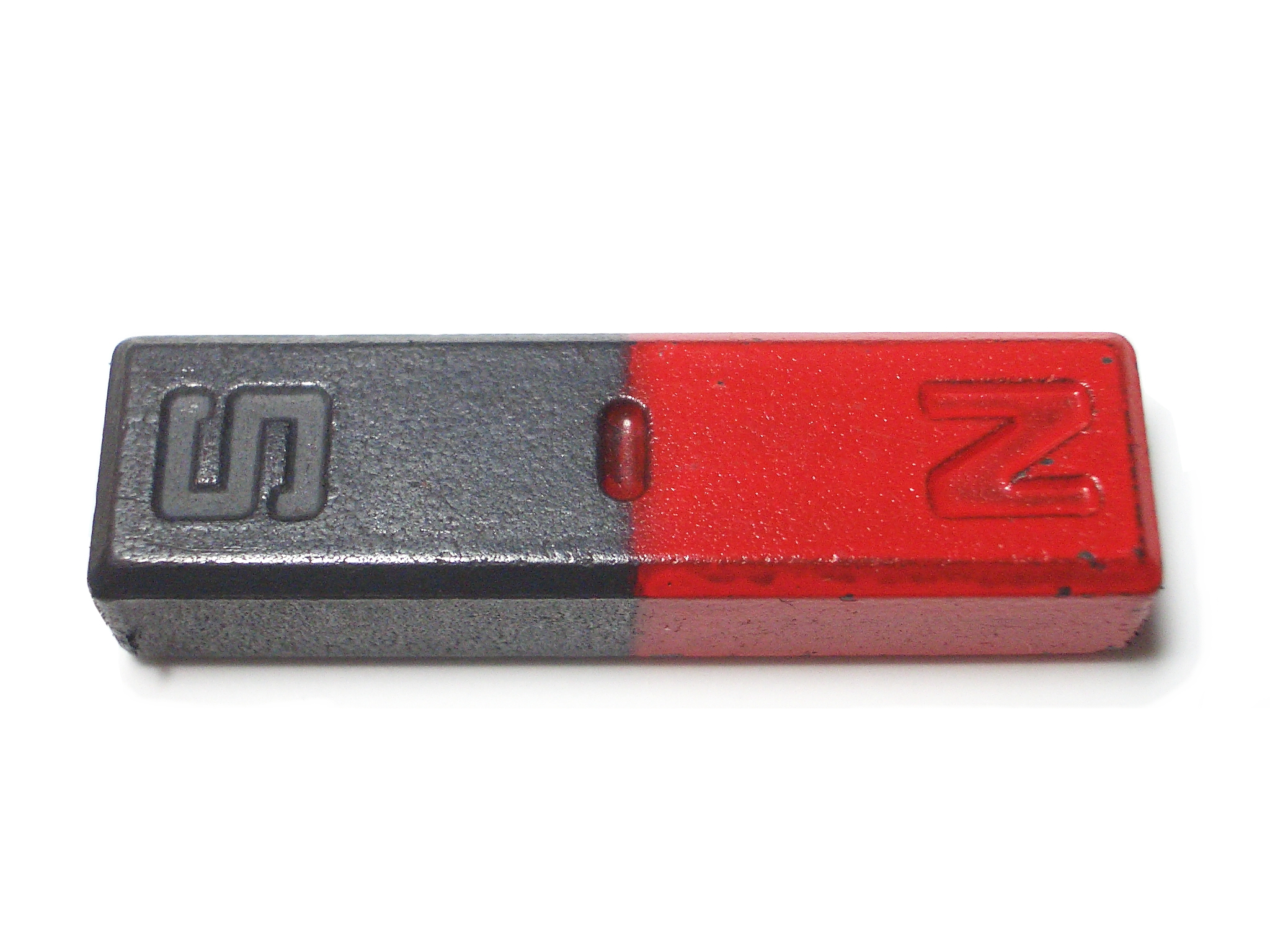
Bar magnets are permanent magnets, they can't be switched on and off, they always have a magnetic field. They have two poles: north (positively charged) and south (negatively charged). They attract metals such as iron, steel, cobalt and nickel. They also attract and repel other magnets.
Bar magnet. Photo taken by Aney, 2006-03-12, GFDL via Wikimedia


WHAT DOES A MAGNETIC FIELD LOOK LIKE?
We can see the magnetic field of a bar magnet using iron filings.
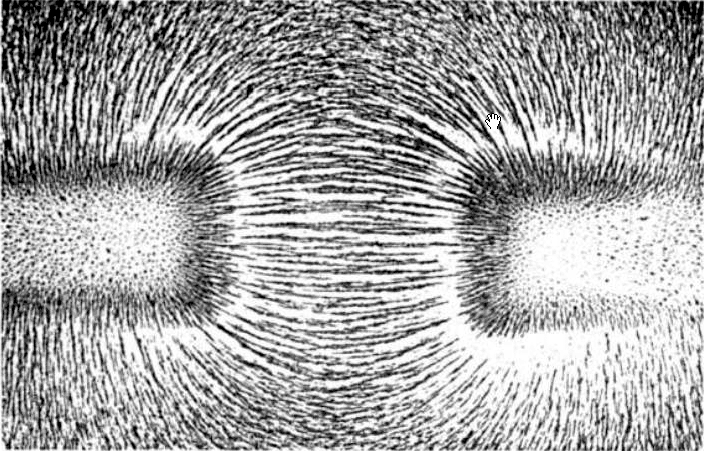
By Alexander Wilmer Duff [Public domain], via Wikimedia Commons


HOW DO WE REPRESENT MAGNETIC FIELDS?
We draw lines from the north pole to the south pole of the magnet. There are more lines and they're closer together near the poles because the magnetic field is stronger there.

WHAT HAPPENS WHEN TWO MAGNETS ATTRACT OR REPEL EACH OTHER?
Look at the pictures:
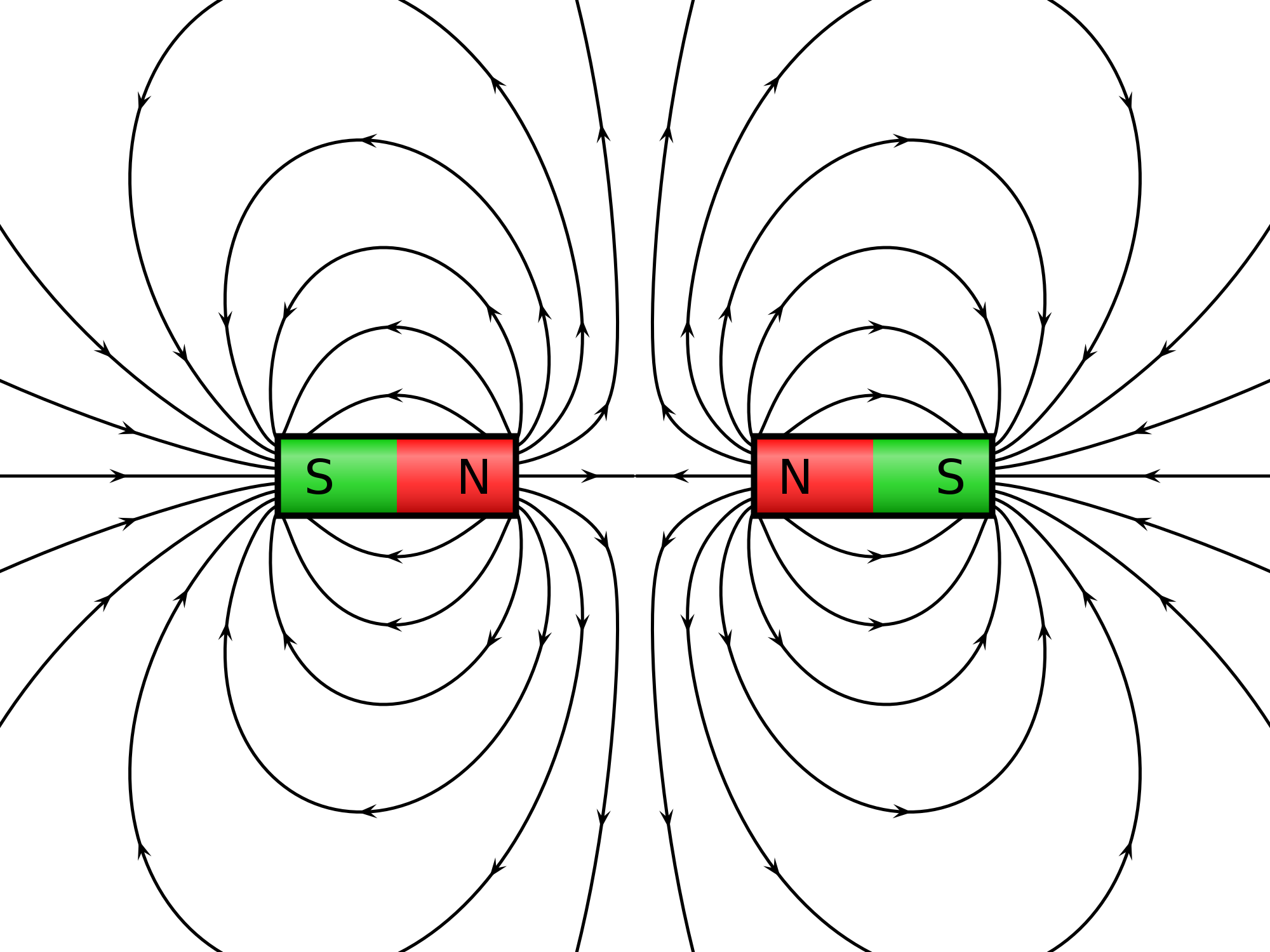
Two magnets repelling. By Geek3 [GFDL (http://www.gnu.org/copyleft/fdl.html) or CC BY-SA 3.0 (http://creativecommons.org/licenses/by-sa/3.0)], via Wikimedia Commons
Two magnets attracting. By Geek3 [GFDL (http://www.gnu.org/copyleft/fdl.html) or CC BY-SA 3.0 (http://creativecommons.org/licenses/by-sa/3.0)], via Wikimedia Commons

HOW CAN WE IDENTIFY A MAGNET?
Magnets repel other magnets, but they don´t repel other substances.

Tuesday, 12 April 2016

HOW WAS ELECTROMAGNETISM DISCOVERED?

Hans Christian Oersted discovered that electric current produces a magnetic force. Oersted saw that an electric circuit switched on made the compass needle move, but he couldn't explain the phenomenon.
Picture from wikimedia

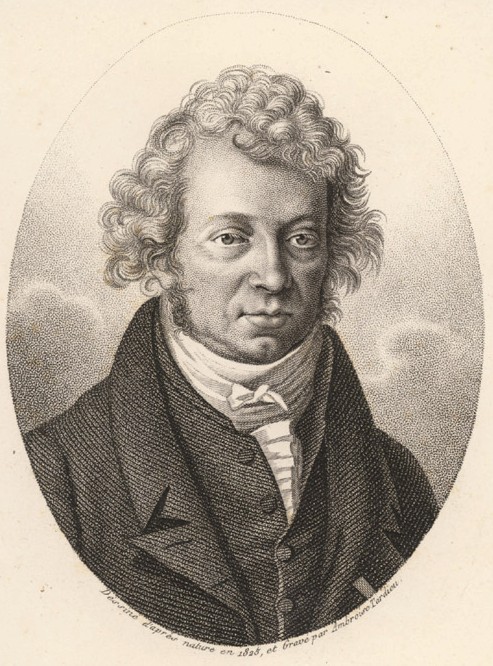
André-Marie Ampere decided to study that phenomenon. He discovered the electron, which produces both, electricity and magnetism. But he named it the 'electrodynamic molecule'. Later, other scientists named it the electron.
By Ambrose Tardieu [Public domain], via Wikimedia Commons

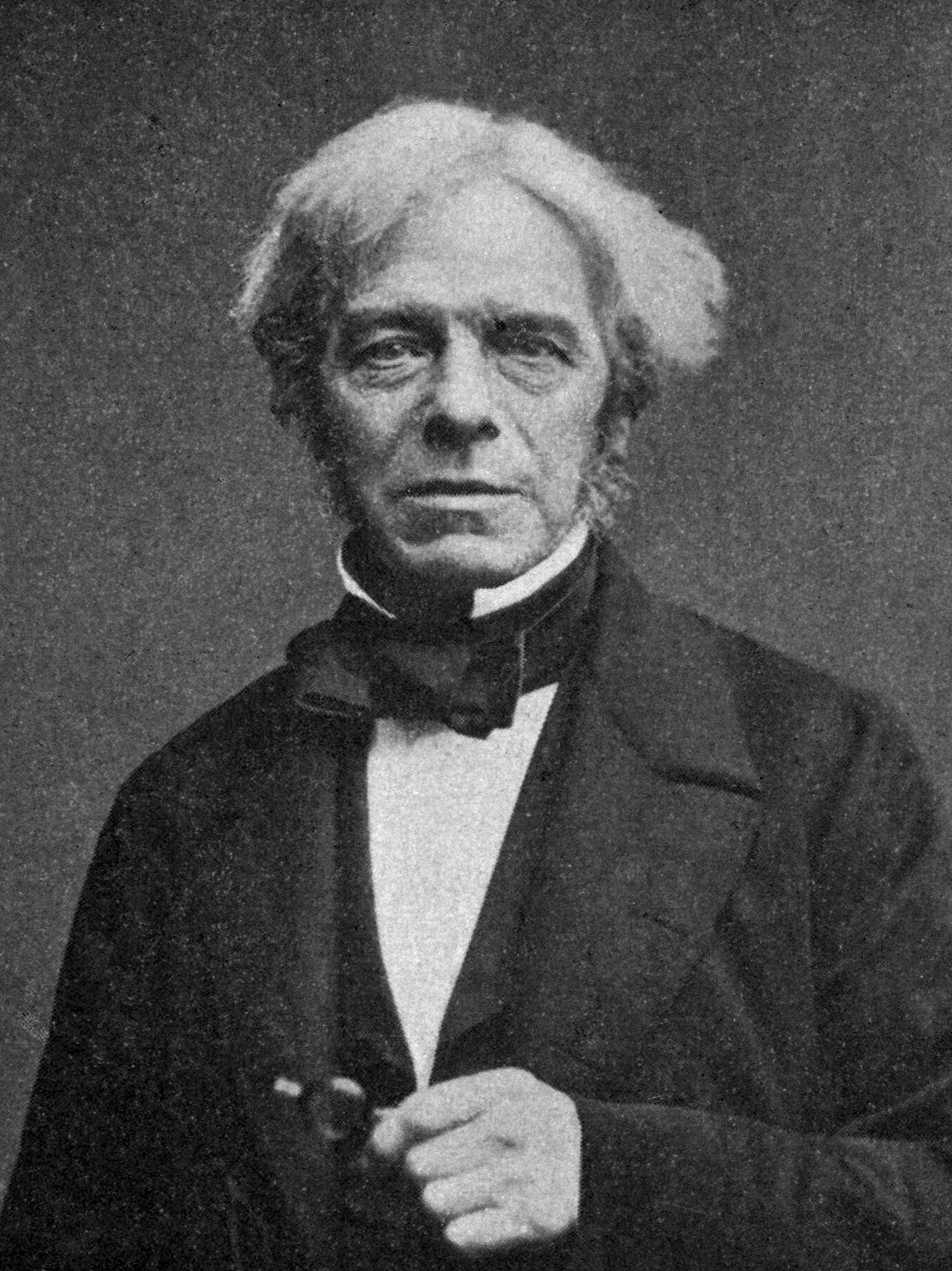
Michael Faraday discovered that by moving a loop of wire over a magnet, an electric current was produced in the wire. He invented the 'electromagnetic rotary device', the basis for the first electric motor or dynamo.
By Probably albumen carte-de-visite by John Watkins [Public domain], via Wikimedia Commons

Faraday Disk Generator. By Émile Alglave [Public domain], via Wikimedia Commons

SEPARATING MIXTURES WITH MAGNETS
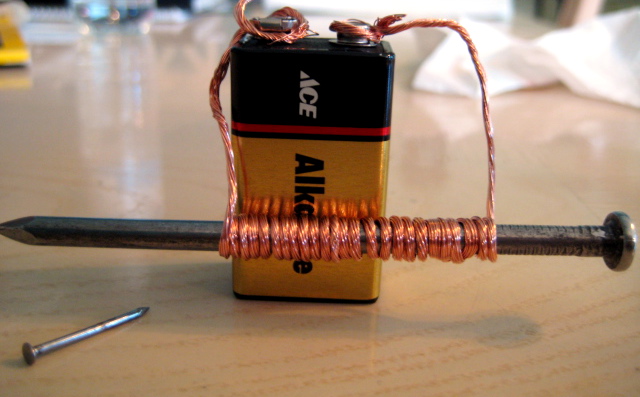
Electromagnets are made from a wire coiled around an iron rod. The wire is connected to a power source. When the electric current flows along the wire a magnetic field is generated. When you stop the circuit, the electromagnet is switched off. Electromagnets are used in recycling plants to separate iron and steel from plastic, glass or other metals.

Homemade electromagnet. By Gina Clifford (cobalt_grrl on Flickr) [GFDL (http://www.gnu.org/copyleft/fdl.html) or CC BY-SA 4.0-3.0-2.5-2.0-1.0 (http://creativecommons.org/licenses/by-sa/4.0-3.0-2.5-2.0-1.0)], via Wikimedia Commons
Here you can see an electromagnet working:

Thursday, 3 March 2016

WHAT'S OXIDATION?

Oxidation is a chemical reaction in which an atom loses one or more electrons to oxygen atoms. Oxidation causes changes to the properties and appearance of substances.
Types of oxydation:
Rusting: When iron is exposed to oxygen in the air, its electrons are lost. Rusting can cause problems in vehicles. To prevent this, vehicles are painted.
 

Oxidation in fruit: When the fruit is exposed to the air, its electrons are lost. When this happens, a chemical change takes place, and the part of the fruit that has oxidised is no longer good to eat.


Fermentation: is a chemical reaction in which an organism such as yeast or bacteria, changes sugar and carbohydrates into alcohol or an acid.

Tuesday, 1 March 2016

WHAT ARE CHEMICAL CHANGES?

Chemical changes occur when one or more substances combine to form a new substance. A chemical change is non-reversible.
Image from sjesci 
The process in which two or more substances combine chemically is called a chemical reaction.
Some chemical reactions produce thermal energy; these are called exothermic reactions.


Other reactions absorb thermal energy; these are called endothermic reactions.


Combustion, or burning, is the name for a chemical reaction in which oxygen combines with a fuel, such as wood, coal or natural gas. It is an exothermic reaction.


We use combustion in various ways:
  • Petrol and diesel are burnt to power vehicles and to heat homes.
  • Coal is burnt in power stations to generate electricity.
  • We burn natural gas to cook and heat our homes.
Combustion causes problems:
  • Most fuels produce carbon dioxide during combustion. Carbon dioxide contributes to global warming.
  • Burning coal, petrol or diesel produce particles that pollute the air.
  • Burning coal and diesel can produce an acid called sulphur dioxide. If sulphur dioxide mixes with rainwater, it produces acid rain.

Monday, 29 February 2016

HOW ARE MIXTURES SEPARATED?

Mixtures can be separated into their original components (because the components haven't been chemically combined). Several techniques can be used to separate mixtures: for example, filtration, distillation, evaporation or dissolution.

Filtration: This technique can be used to separate an insoluble solid from a mixture.
Picture via eschooltoday


Evaporation: This technique can be used to separate a soluble solid from a solution.
Photo via bbc.co.uk
Photo via bbc.co.uk
Photo via bbc.co.uk

Distillation: This technique can be used to separate a liquid from a solution or to separate two liquids.
 
Dissolution: This technique can be used to separate a soluble solid from an insoluble one.

Saturday, 27 February 2016

WHAT'S A MIXTURE?

A mixture is a substance made up of two or more types of matter that aren't chemically combined.
There are two types of mixtures:
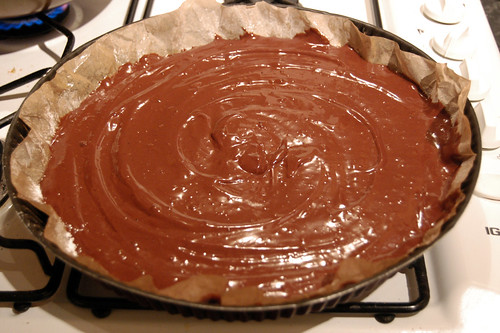
Homogeneous mixtures: It is a mixture that has a consistent color and texture. Every part of an homogeneous mixture has the same properties.

Fondant au chocolat, ready to bake (Third version, with cornflour)
Homogeneous mixture Fondant au Chocolat. Photo by Ly. H via flickr
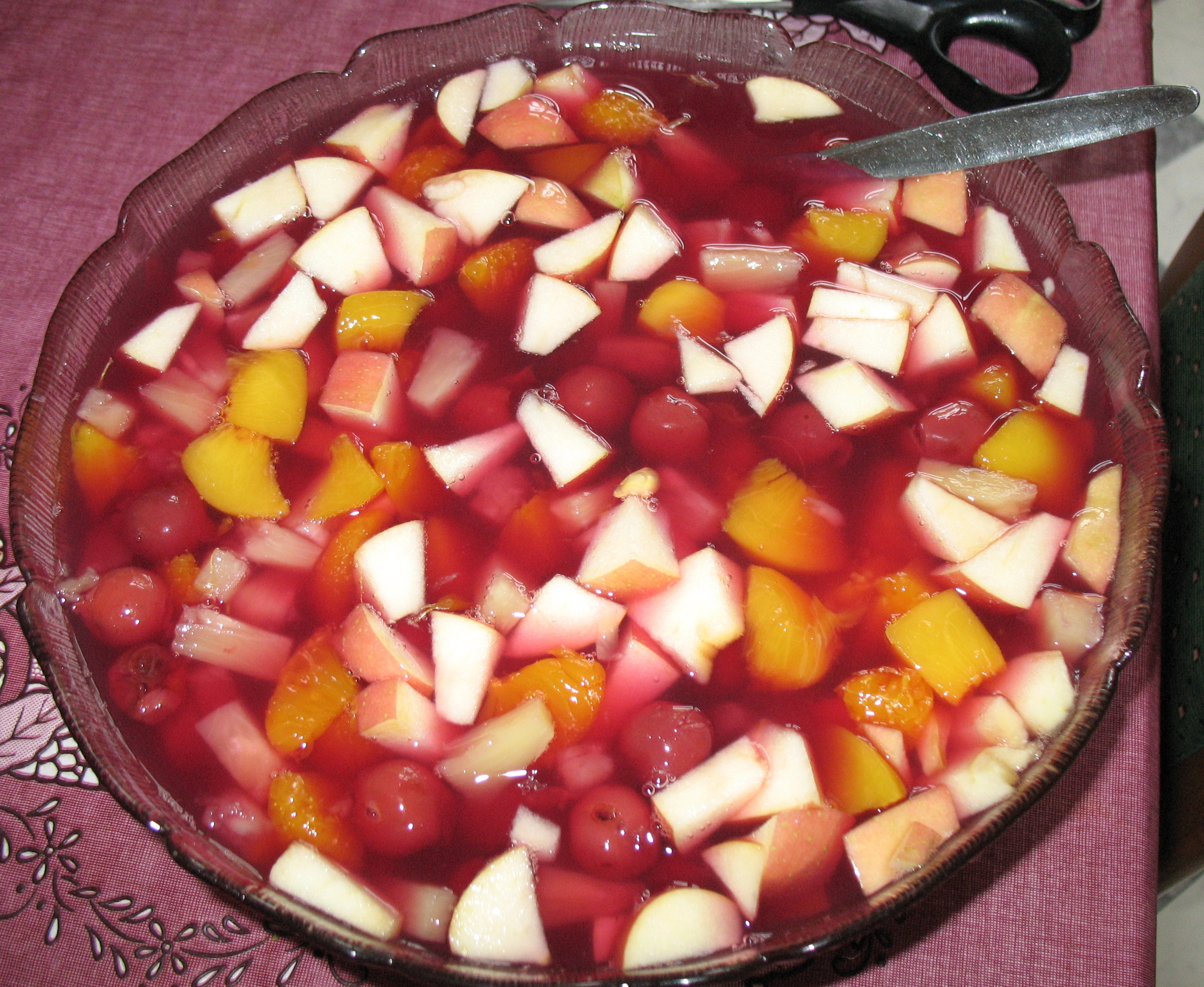
Heterogeneous mixture: It is a mixture that has a varied color or texture. Each substance in the mixture retains its specific properties.
Fruit Salad. Photo by: I, Bangin [GFDL (http://www.gnu.org/copyleft/fdl.html), CC-BY-SA-3.0 (http://creativecommons.org/licenses/by-sa/3.0/) or CC BY 2.5 (http://creativecommons.org/licenses/by/2.5)], via Wikimedia Commons
A solution is a mixture of one or more liquids, with one or more other substances. In a solution, the substances are dissolved in the liquid.
The liquid components of a solution are called solvents. The other components are called solutes.
Making a saline water solution by dissolving table salt in water. The salt is the solute and the water the solvent. Photo by Chris 73 / Wikimedia Commons [GFDL 1.3 (www.gnu.org/licenses/fdl-1.3.html) or CC BY-SA 3.0 (http://creativecommons.org/licenses/by-sa/3.0)], via Wikimedia Commons

Tuesday, 23 February 2016

WHAT ARE THE BASIC LAWS OF REFLECTION?

Light is a form of energy that travels in waves.
Matter that is in a gaseous state is usually transparent: it doesn't reflect light.
Matter that is liquid usually has a smooth reflective surface.
Solid matter usually has a rougher surface than liquid, so it reflects light but they don't produce a reflection.
REFLECTION AND DIFFUSION:
When light hits a smooth surface, it's reflected regularly.
Image from https://www.orcagrowfilm.com/Articles.asp?ID=148
When light hits a rough surface, it's reflected irregularly. This is called diffusion.
Image from https://www.orcagrowfilm.com/Articles.asp?ID=148

ELECTRICITY:
All matter is made up of atoms. Each atom consists of protons, neutrons and one or more electrons.
By The original uploader was Fastfission at English Wikipedia [GFDL (http://www.gnu.org/copyleft/fdl.html), GFDL (http://www.gnu.org/copyleft/fdl.html) or CC-BY-SA-3.0 (http://creativecommons.org/licenses/by-sa/3.0/)], via Wikimedia Commons
 The protons (positive charge +) and neutrons (neutral: no charge) make up the nucleus. The electrons (negative charge -) rotate around the nucleus in orbits. Electricity is a form of energy that's created when electrons move from the orbit of one nucleus to that of another.
When atoms lose electrons, matter becomes positively charged.
When atoms gain electrons, matter becomes negatively charged.